How Long Does EV Charger Installation Take in Irvine?
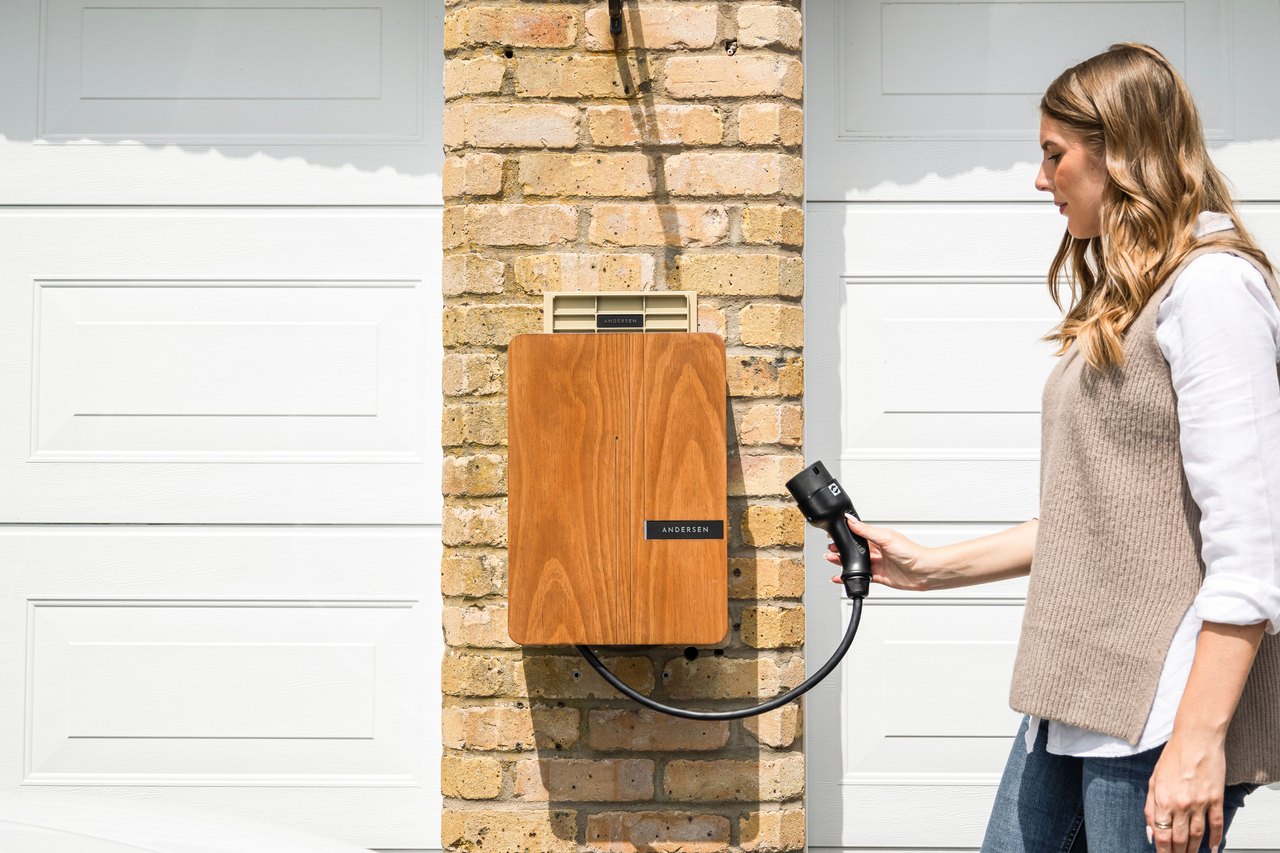
Once you have decided to charge at home, the next question is almost always about time: how long does EV charger installation actually take, and how far ahead should you plan? The reassuring answer is that the hands-on work is usually a matter of hours, but the full timeline, from first call to a charger you can plug into, depends on a few steps that happen around the install itself. This guide breaks down each stage of a Level 2 EV charger installation, how long it typically runs, what can stretch it out, and why many Irvine homes move faster than average.
The Short Answer
The physical installation of a home Level 2 charger is usually a half-day job, often two to four hours, when the panel has capacity and the charging spot is a reasonable distance from it. The full process, though, is better measured in days to a couple of weeks, because it includes getting a quote, pulling a permit, scheduling the work, and passing an inspection. For a straightforward Irvine home, it is realistic to go from first call to a fully permitted, working charger within one to two weeks, with the actual on-site work being the shortest part of that window.
The Steps and How Long Each Takes
It helps to see the timeline as a sequence rather than a single appointment. Each step has its own typical duration, and only one of them involves tools.
- The quote and site check: often same-day or from photos, sometimes a short visit to confirm the panel and charging location.
- Scheduling: frequently within the same week for a standard install, depending on the installer's calendar.
- The permit: a city electrical permit, which can be same-day or take a few business days depending on the jurisdiction.
- Install day: the hands-on work, typically two to four hours for a standard Level 2 circuit and charger.
- Inspection: scheduled after the install, sometimes same-week, to sign off the new circuit.
Want a real timeline for your Irvine home? A quick panel check tells you whether you are looking at a half-day install or a slightly bigger project, with a flat quote to match.
Instant QuoteThe single biggest timeline variable is your electrical panel. If it has spare capacity and an open breaker slot, the install stays in the half-day range. If it needs an upgrade, that adds a separate, larger job with its own permit and a coordinated power shutoff, which can extend the overall timeline by days. This is exactly why a load check up front is worth it: it tells you which timeline you are on before you commit.
What Makes an Install Take Longer
A few conditions turn a half-day job into a multi-visit project. A panel upgrade is the biggest, since it is essentially a second job that has to happen first. A long or difficult conduit run, such as reaching a detached garage or crossing the house, adds labor and sometimes trenching. Permit turnaround varies by city and season, and a busy permit office can add days. And in many Irvine neighborhoods, homeowners association architectural approval can be a step of its own. The U.S. Department of Energy's Alternative Fuels Data Center also stresses that the work be done by a qualified electrician and properly permitted, so cutting corners to save time is a false economy that can cost you at inspection or resale.
Why Irvine Installs Are Often Faster
Irvine has an advantage most cities do not: a large share of its housing is relatively new and built to modern electrical standards. Many homes across Irvine's master-planned villages already have 200-amp panels with open capacity, and some newer builds are effectively EV-ready with conduit already run to the garage. ENERGY STAR notes that a Level 2 charger runs on a 240-volt circuit similar to a dryer's, and when a panel already has room for that circuit, the install is quick and clean. That newer housing stock is a big reason so many Irvine installs land at the fast end of the range, with no panel upgrade needed at all.
How to Make Your Install Go Faster
A few simple moves keep the timeline tight. First, gather photos of your electrical panel, including the label and the open breaker slots, and the spot where you want the charger before you call, so the quote can be accurate without a separate visit. Second, decide on your charger and its amperage early, since that determines the circuit and breaker size. Third, if you are in an HOA, request architectural approval as soon as you start getting quotes so it runs alongside the permit rather than after it. Finally, choose an installer who pulls the permit and coordinates the inspection for you rather than leaving that paperwork on your plate. Doing these steps in parallel, instead of one strictly after another, is what turns a two-week timeline into closer to one.
Can It Be Done Faster?
Sometimes. If your panel clearly has capacity, your charging spot is close to it, and the city allows over-the-counter or online permitting, an install can happen very quickly, occasionally within a day or two of your first call. What cannot safely be rushed is the part that protects you: the load calculation that confirms the panel can carry the charger, the permit that puts an inspector on the circuit, and the inspection itself. A shop that offers to skip those to save a day is not really saving you time so much as handing you risk, since an unpermitted high-amperage circuit can surface as a problem at resale, at insurance renewal, or worse. The fastest responsible install is one that still does every step, just efficiently and in parallel.
A Note on Irvine HOAs
One local wrinkle is worth planning for. Many Irvine homes sit within homeowners associations that require architectural approval for exterior changes, and a wall-mounted charger or an outdoor conduit run can fall under those rules. The good news is that California's right-to-charge protections limit how much an HOA can unreasonably block a resident from installing charging, subject to reasonable conditions. Still, submitting the request early, ideally while you are getting quotes, keeps HOA review from becoming the step that holds everything up, since that approval can run in parallel with the permit rather than after it.
EV Charger Installation Timing: Common Questions
How long does the actual EV charger install take?
For a standard Level 2 charger on a panel with spare capacity, the hands-on work is usually two to four hours. That covers running the dedicated 240-volt circuit, mounting and wiring the charger, and commissioning it. The rest of the overall timeline is permitting, scheduling, and inspection around that appointment.
How far ahead should I schedule my installation?
For a straightforward Irvine home, planning one to two weeks ahead is usually comfortable, which allows time for the quote, permit, and a scheduled install and inspection. If you know your panel may need an upgrade, or your home is in an HOA that requires approval, give yourself a little more lead time.
Does a permit slow the whole thing down?
Not usually by much. A city electrical permit can be same-day or take a few business days depending on the jurisdiction, and a good installer pulls it as part of the job rather than leaving it to you. The permit and inspection are what make the install legitimate and support any rebate or tax-credit claim, so they are worth the short wait.
What adds the most time to an EV charger installation?
A panel upgrade is the biggest factor, since it is effectively a separate job with its own permit and a coordinated power shutoff. Long conduit runs, HOA architectural approval, and busy permit offices can also add days. A load check at the quote stage tells you up front which of these apply to your home.
Get a Straight Timeline for Your Irvine Install
Tell us your home and where you park, and we will confirm your panel, pull the permit, and get a Level 2 charger installed and inspected on a schedule that works for you.